

Hey there! I'm a supplier of 1000L solar water heaters, and I know firsthand how important it is to keep these big - scale systems from overheating. Overheating can not only damage the water heater but also reduce its efficiency and lifespan. So, let's dive into some practical ways to prevent overheating in a 1000L solar water heater.
1. Use a Thermostatic Mixing Valve
A thermostatic mixing valve is a real game - changer when it comes to preventing overheating. This little device mixes hot water from the solar collector with cold water to maintain a safe and consistent temperature. It's like having a smart temperature controller for your water heater. When the water in the solar collector gets too hot, the valve kicks in and adds cold water to bring the temperature down to a safe level.
For a 1000L solar water heater, this is crucial because the large volume of water can store a lot of heat. Without a thermostatic mixing valve, the water could reach extremely high temperatures, which might cause damage to the tank, pipes, or other components. You can easily install a thermostatic mixing valve at the outlet of the water heater. It's a simple and cost - effective solution that can save you a lot of headaches in the long run.
2. Install a Heat Diverter
Another great way to prevent overheating is by installing a heat diverter. A heat diverter is designed to redirect excess heat away from the water heater when the temperature gets too high. It works by diverting the hot water or heat transfer fluid to a secondary heat exchanger or a storage tank.
For example, when the water in your 1000L solar water heater reaches a certain temperature, the heat diverter will start sending the hot water to a small auxiliary tank. This way, the main water heater doesn't get overloaded with heat. The auxiliary tank can then use the excess heat for other purposes, like pre - heating water for a swimming pool or a floor heating system. It's a smart way to make use of the excess energy instead of letting it go to waste.
3. Opt for a High - Quality Solar Collector
The solar collector is the heart of your solar water heater system. Choosing a high - quality solar collector can significantly reduce the risk of overheating. Some solar collectors are designed with built - in features to prevent overheating. For instance, they might have a special coating that reflects excess sunlight when the temperature gets too high.

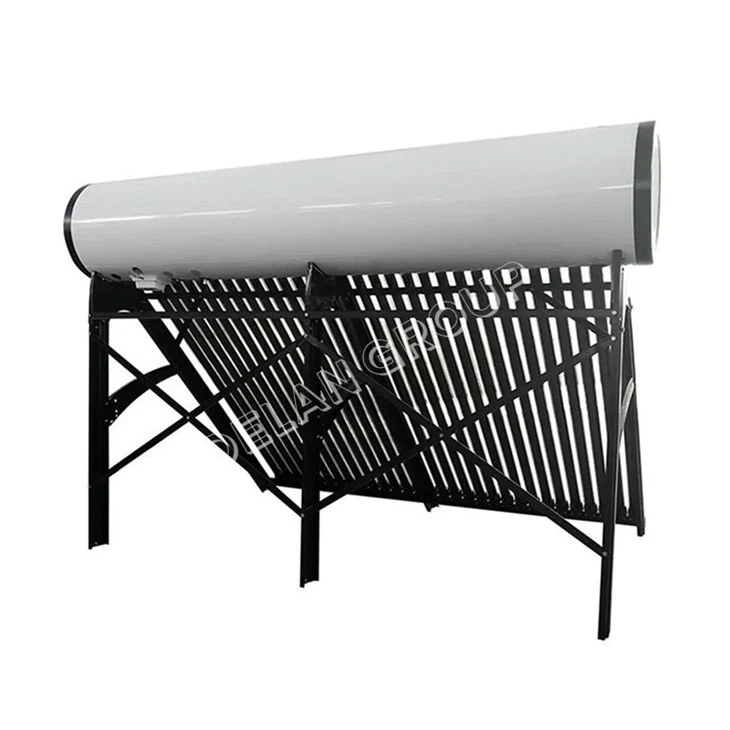
When you're in the market for a solar collector for your 1000L water heater, look for ones that have good reviews and are known for their temperature control capabilities. You can check out our Integrative Pressurized Solar Water Heater and Solar Hot Water Heater System options. These products are designed to work efficiently and keep the temperature in check, even in high - sunlight conditions.
4. Proper Insulation
Proper insulation is key to preventing overheating in a 1000L solar water heater. Insulation helps to keep the heat inside the water heater when it's cold and prevents excessive heat from building up when it's hot. Make sure that the water heater tank, pipes, and solar collector are all well - insulated.
Good insulation materials can reduce heat loss during the night and also prevent the water heater from absorbing too much heat during the day. For example, you can use foam insulation around the pipes and a thick insulation blanket around the water heater tank. This will not only help with temperature control but also improve the overall energy efficiency of your system.
5. Regular Maintenance
Regular maintenance is essential for keeping your 1000L solar water heater in top shape and preventing overheating. You should check the system regularly for any signs of damage, leaks, or blockages. For example, make sure that the pipes are clear and that the valves are working properly.
Clean the solar collector regularly to remove any dirt, dust, or debris that might reduce its efficiency. A dirty solar collector can absorb more heat than necessary, which can lead to overheating. You should also check the water level in the tank and the pressure in the system. If there are any issues, address them immediately to prevent further problems.
6. Use a Temperature Sensor and Controller
A temperature sensor and controller can be a great addition to your 1000L solar water heater system. The temperature sensor monitors the temperature of the water in the tank and the solar collector. The controller then uses this information to adjust the operation of the system.
For example, if the temperature in the solar collector gets too high, the controller can activate the heat diverter or adjust the flow of the heat transfer fluid. It's like having a personal assistant for your water heater that constantly keeps an eye on the temperature and takes action when needed. You can find many affordable temperature sensors and controllers on the market that are easy to install and use.
7. Consider the Location of the Solar Collector
The location of the solar collector plays a big role in preventing overheating. Make sure that the solar collector is installed in a location where it gets enough sunlight but not too much. Avoid installing it in a place where it will be exposed to direct sunlight for the entire day, especially during the summer months.
You can also use shading devices, like awnings or trees, to reduce the amount of sunlight that reaches the solar collector. This can help to keep the temperature of the collector and the water heater under control. However, make sure that the shading doesn't reduce the efficiency of the solar collector too much.
8. Educate Your Customers
If you're selling 1000L solar water heaters, it's important to educate your customers about how to prevent overheating. Provide them with clear instructions on how to operate and maintain the system. Let them know about the importance of regular maintenance, using the thermostatic mixing valve, and other preventive measures.
You can also offer training sessions or provide written materials that explain how the system works and how to keep it in good condition. By educating your customers, you can help them get the most out of their solar water heater and prevent any potential problems.
In conclusion, preventing overheating in a 1000L solar water heater requires a combination of the right equipment, proper installation, and regular maintenance. By following these tips, you can ensure that your solar water heater system operates efficiently and safely for many years.
If you're interested in our Integrated Solar Water Heater or other solar water heater products, feel free to reach out for a purchase negotiation. We're always here to help you find the best solution for your needs.
References
- Solar Water Heating Handbook. Available in local libraries.
- Journal of Renewable Energy Research. Various issues on solar water heater technology.


