

Ventilation plays a crucial role in the successful operation and longevity of a solar hot water project. As a leading supplier of solar hot water systems, we understand the significance of proper ventilation requirements. In this blog, we will delve into the science behind ventilation in solar hot water projects, explore the key factors to consider, and highlight the importance of meeting these requirements for optimal performance.
The Science Behind Ventilation in Solar Hot Water Projects
Solar hot water systems work by capturing sunlight and converting it into heat energy to warm water. This process often involves the use of collectors, storage tanks, and circulation pumps. As the water is heated, a series of physical and chemical reactions occur within the system, which can generate various gases and moisture.
One of the primary reasons for ventilation is to control the build - up of gases such as oxygen, nitrogen, and small amounts of carbon dioxide. These gases are present in the water and can be released during the heating process. In addition, if there are any chemical additives or preservatives in the water, they may also produce volatile organic compounds (VOCs) under certain conditions.
Moisture is another critical aspect. When the water is heated, it can evaporate, and the resulting steam needs to be vented out. If moisture is allowed to accumulate, it can lead to the growth of mold and mildew, which can not only damage the system components but also pose health risks to the occupants.
Key Ventilation Requirements
Ventilation for Collectors
Solar collectors are the heart of a solar hot water system. They are exposed to the sun and convert solar energy into heat. During the heating process, expansion of the fluid inside the collectors can occur. Ventilation is necessary to allow for the release of any excess pressure that may build up due to this expansion.
Proper ventilation for collectors also helps in maintaining a stable temperature. If the temperature inside the collectors gets too high, it can lead to a decrease in efficiency and potential damage to the collector materials. A well - ventilated collector can dissipate heat effectively, ensuring optimal performance. For example, our Integrated Pressurized Solar Water Heater is designed with advanced ventilation mechanisms to protect the collectors from overheating and pressure build - up.
Ventilation for Storage Tanks
Storage tanks are used to store the heated water. Over time, the water in the tank can release dissolved gases, and moisture can build up. Ventilation of the storage tank is essential to prevent the corrosion of the tank interior. If gases and moisture are not removed, they can react with the metal of the tank, leading to rust and other forms of deterioration.
Some storage tanks are equipped with automatic vents that open when the pressure inside the tank exceeds a certain level. These vents allow the release of gases and excess pressure, ensuring the safety and integrity of the tank. Our Integrated Solar Water Heater comes with a high - quality storage tank that has a well - designed ventilation system to extend the lifespan of the tank.
Ventilation for the Entire System
In addition to individual component ventilation, the overall solar hot water system also requires proper ventilation. This includes the area where the system is installed, such as a utility room or a rooftop. Adequate air circulation around the system helps in removing any heat and moisture that may accumulate in the vicinity.
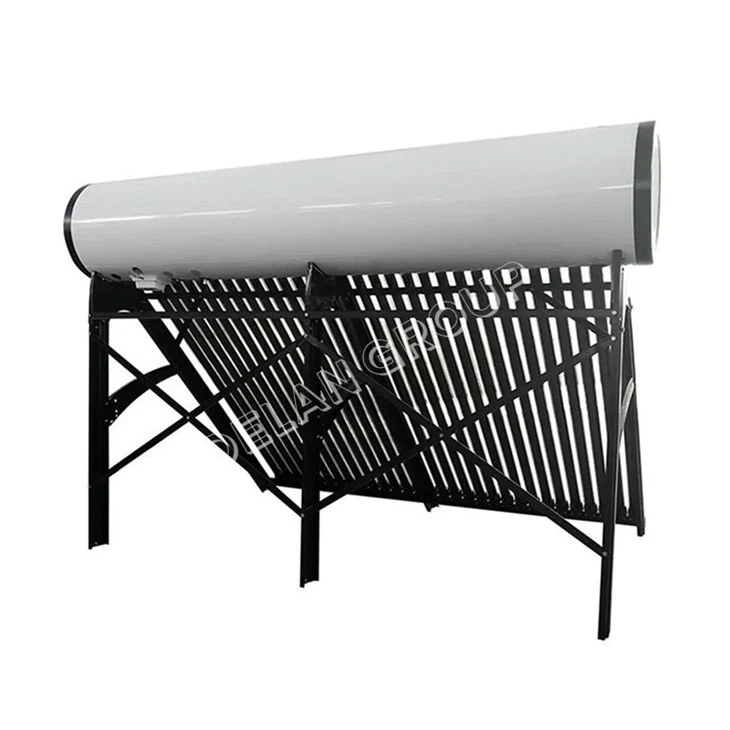
Good ventilation in the installation area can also prevent the formation of hotspots, which can cause damage to the system components over time. It is important to ensure that there is enough space around the system for air to flow freely. For instance, when installing our Integrated Pressure Solar Water Heater with Heat Pipe, we recommend leaving a certain clearance around the unit to facilitate proper ventilation.

Factors Affecting Ventilation Requirements
Climate
The climate in which the solar hot water project is located has a significant impact on ventilation requirements. In hot and humid climates, there is a higher likelihood of moisture accumulation. Therefore, more aggressive ventilation may be required to prevent mold growth and corrosion. In contrast, in cold and dry climates, the focus may be more on preventing the freezing of the ventilation pipes and ensuring that the system can still function properly in low - temperature conditions.
System Size
The size of the solar hot water system also affects ventilation needs. Larger systems typically have more collectors and larger storage tanks, which means more heat and gas generation. As a result, they require more extensive ventilation systems to handle the increased load.
Water Quality
The quality of the water used in the solar hot water system can influence ventilation requirements. Water with high mineral content may produce more scale and deposits, which can affect the performance of the ventilation system. Additionally, if the water contains chemicals or contaminants, it may generate more VOCs, necessitating better ventilation.
Importance of Meeting Ventilation Requirements
Meeting the ventilation requirements of a solar hot water project offers several benefits. Firstly, it ensures the safety of the system. By preventing the build - up of excessive pressure and the release of harmful gases, proper ventilation reduces the risk of explosions and other safety hazards.
Secondly, it improves the efficiency of the system. A well - ventilated system can maintain a more stable temperature, which allows the collectors to absorb solar energy more effectively and the water to be heated more efficiently.
Thirdly, proper ventilation extends the lifespan of the system components. By preventing corrosion and mold growth, the system can operate for a longer period without the need for frequent repairs or replacements.
Conclusion
In conclusion, ventilation is an indispensable aspect of a solar hot water project. As a supplier, we are committed to providing high - quality solar hot water systems that meet the strictest ventilation requirements. Our products, such as the Integrated Pressurized Solar Water Heater, Integrated Solar Water Heater, and Integrated Pressure Solar Water Heater with Heat Pipe, are designed to ensure optimal performance and longevity through advanced ventilation mechanisms.
If you are interested in purchasing a solar hot water system or need more information about ventilation requirements, please feel free to contact us for a detailed consultation. We look forward to working with you on your solar hot water project.


