

As a supplier of solar water heating systems, I understand the critical role that proper insulation plays in the efficiency and longevity of these systems. In this blog, we'll explore the importance of insulation in solar water heating systems and provide practical tips on how to ensure your system is well - insulated.
Why Insulation Matters in Solar Water Heating Systems
Solar water heating systems are designed to capture and retain solar energy to heat water. Insulation is the key to minimizing heat loss, which in turn maximizes the system's efficiency. A well - insulated system can significantly reduce the amount of auxiliary energy (such as electricity or gas) needed to maintain the desired water temperature, leading to substantial cost savings over time.
In addition to energy efficiency, proper insulation also protects the system from freezing in cold weather. When water freezes, it expands, which can cause damage to pipes, collectors, and storage tanks. Insulation acts as a barrier, keeping the water in the system at a temperature above freezing and preventing costly repairs.
Components of a Solar Water Heating System Requiring Insulation
Solar Collectors
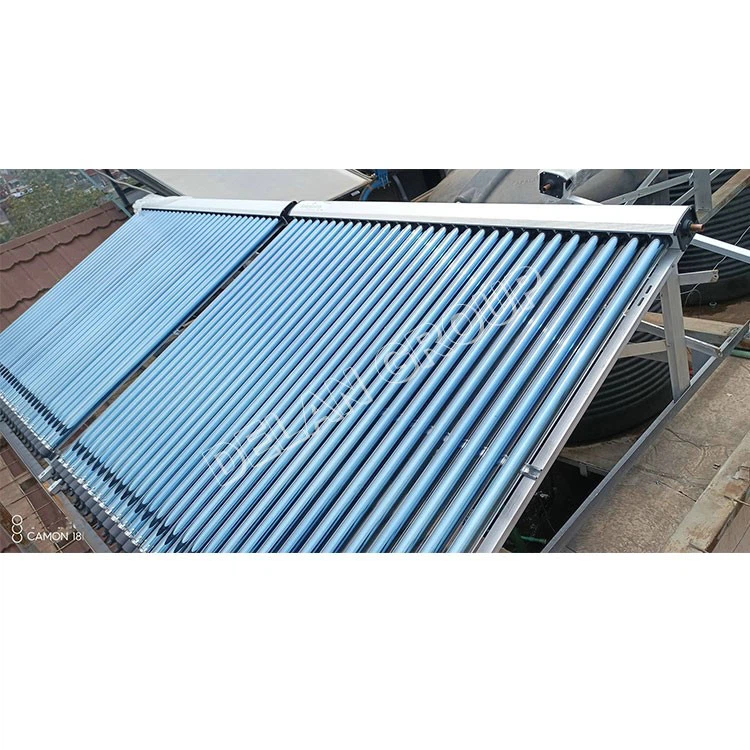
Solar collectors are the heart of a solar water heating system, capturing sunlight and converting it into heat. These collectors are often installed on rooftops or open areas where they are exposed to the elements. Insulating the collectors helps to trap the heat they generate and prevent it from escaping into the environment.
Most modern collectors come with some form of built - in insulation. However, over time, this insulation can degrade due to exposure to sunlight, moisture, and temperature fluctuations. To ensure optimal performance, it's important to inspect the insulation regularly and replace it if necessary.
Pipes
The pipes that carry water between the solar collectors and the storage tank are another crucial area that requires insulation. Heat loss through uninsulated pipes can be significant, especially in cold climates or when the pipes are long.
Insulating pipes not only reduces heat loss but also protects them from freezing. There are various types of pipe insulation materials available on the market, such as foam rubber, fiberglass, and polyethylene. When choosing a pipe insulation material, consider factors like its thermal conductivity, durability, and ease of installation.

Storage Tanks
The storage tank is where the heated water is stored until it is needed. A well - insulated storage tank can keep the water hot for longer periods, reducing the need for frequent reheating.
When selecting a storage tank, look for one with high - quality insulation. The insulation should be thick enough to provide adequate thermal resistance and should be well - sealed to prevent heat leakage. Some tanks come with additional insulation options, such as jackets or blankets, which can further enhance their insulating properties.
Types of Insulation Materials
There are several types of insulation materials that can be used in solar water heating systems. Each material has its own advantages and disadvantages, and the choice of material depends on factors like the specific application, budget, and environmental conditions.
Fiberglass
Fiberglass is a popular insulation material due to its low cost, high thermal resistance, and ease of installation. It is made from fine glass fibers that trap air pockets, which act as insulators. Fiberglass insulation is available in batts, rolls, and loose - fill forms, making it suitable for a variety of applications, including pipes, collectors, and storage tanks.
However, fiberglass insulation can be irritating to the skin, eyes, and lungs if proper safety precautions are not taken during installation. It is also prone to moisture absorption, which can reduce its insulating effectiveness.
Polyurethane Foam
Polyurethane foam is a high - performance insulation material that offers excellent thermal resistance and durability. It is a closed - cell foam, which means that it is less susceptible to moisture absorption than other types of insulation.
Polyurethane foam can be sprayed directly onto the surface of pipes, collectors, and storage tanks, providing a seamless and airtight insulation layer. This makes it ideal for insulating irregularly shaped surfaces or hard - to - reach areas. However, the cost of polyurethane foam insulation is relatively high, and professional installation may be required.
Mineral Wool
Mineral wool is another popular insulation material made from natural or synthetic minerals, such as rock or slag. It has good thermal resistance and is fire - resistant, making it a safe choice for solar water heating systems.
Mineral wool insulation is available in batts, boards, and loose - fill forms. It is easy to install and can be used in a variety of applications, including pipes, collectors, and storage tanks. However, like fiberglass, mineral wool can be irritating to the skin and respiratory system, so proper safety measures should be taken during installation.
Tips for Ensuring Proper Insulation
Conduct a Thermal Audit
Before installing or upgrading the insulation in your solar water heating system, it's a good idea to conduct a thermal audit. This involves using a thermal imaging camera to identify areas of heat loss in the system. A thermal audit can help you pinpoint problem areas and determine the most effective insulation solutions.
Choose the Right Insulation Material
As mentioned earlier, the choice of insulation material depends on several factors. Consider the specific requirements of your system, such as the temperature range, moisture levels, and budget. If you're unsure which material to choose, consult with a professional insulation contractor or a solar water heating system expert.
Ensure Proper Installation
Proper installation is crucial for the effectiveness of insulation. Make sure that the insulation is installed tightly and without gaps. Any gaps or voids in the insulation can allow heat to escape, reducing the system's efficiency.
When installing pipe insulation, ensure that the insulation is wrapped around the pipes evenly and that the joints are sealed properly. For storage tank insulation, make sure that the insulation covers the entire tank, including the top, sides, and bottom.
Maintain the Insulation
Regular maintenance of the insulation is essential to ensure its long - term effectiveness. Inspect the insulation periodically for signs of damage, such as cracks, tears, or moisture absorption. If any damage is found, repair or replace the insulation immediately.
Our Solar Water Heating Systems and Insulation
At our company, we offer a range of high - quality solar water heating systems, including Heat Pipe Solar Thermal Systems, Two Coils Solar Water Heater, and Split Solar Water Heater. All of our systems are designed with proper insulation in mind to ensure maximum efficiency and performance.
Our heat pipe solar thermal systems feature advanced insulation technology that minimizes heat loss and maximizes energy capture. The two - coils solar water heater is equipped with high - quality insulation to keep the water hot for longer periods, while the split solar water heater offers flexible installation options with excellent insulation properties.
Contact Us for Your Solar Water Heating Needs
If you're interested in purchasing a solar water heating system or need advice on how to improve the insulation of your existing system, we're here to help. Our team of experts can provide you with personalized recommendations based on your specific requirements and budget.
Don't miss out on the benefits of a well - insulated solar water heating system. Contact us today to start your journey towards energy efficiency and cost savings.


