

Hey there! As a supplier of Compact Solar Water Heaters, I've been getting a ton of questions lately about how the size of the solar collector affects the performance of these nifty devices. So, I thought I'd sit down and share some insights based on my experience in the industry.
First off, let's talk about what a solar collector is. In simple terms, it's the part of the solar water heater that captures sunlight and converts it into heat. It's like the engine of the whole system, and its size plays a crucial role in how well the water heater works.
The Basics of Solar Collector Size
The size of a solar collector is usually measured in square meters. A larger collector means more surface area to absorb sunlight. Think of it like a bigger net for catching sunlight. The more sunlight it can catch, the more heat it can generate. But it's not always as simple as just going for the biggest collector you can find.
More Surface Area, More Heat
One of the most obvious benefits of a larger solar collector is that it can absorb more sunlight. This means it can heat up the water in the tank faster and to a higher temperature. If you live in an area with lots of sunlight but you have a high demand for hot water, a larger collector can be a great choice. For example, if you have a big family or you use a lot of hot water for things like laundry or bathing, a larger collector can ensure that you always have enough hot water on tap.
Let's say you have a small solar collector that's only 1 square meter in size. It can only absorb a limited amount of sunlight, so it might take longer to heat up the water, especially on cloudy days. On the other hand, a 3-square-meter collector can absorb three times as much sunlight, which means it can heat up the water much faster.
Space and Installation Considerations
Of course, a larger solar collector also means more space is required for installation. If you have a small rooftop or limited outdoor space, you might not be able to fit a large collector. In this case, you'll need to find a balance between the size of the collector and the amount of hot water you need.
Another thing to consider is the weight of the collector. A larger collector is usually heavier, so your roof or mounting structure needs to be able to support it. You might need to reinforce your roof or use a different mounting system to ensure the safety of the installation.
Cost vs. Performance
Larger solar collectors are generally more expensive than smaller ones. This is because they require more materials and are more complex to manufacture. So, you need to weigh the cost against the performance benefits. If you're on a tight budget, a smaller collector might be a more practical choice, even if it means sacrificing some performance.
However, it's important to think about the long-term savings. A larger collector can heat up water more efficiently, which means you'll use less energy from other sources, like electricity or gas. Over time, these savings can add up and offset the higher initial cost of the collector.
The Impact of Location
The location where you install your solar water heater also plays a big role in how the size of the collector affects performance. If you live in a sunny area, a smaller collector might be sufficient to meet your hot water needs. But if you live in a region with less sunlight, like the Pacific Northwest in the United States, you might need a larger collector to compensate for the lack of sunshine.
The orientation of the collector is also important. It should be facing south (in the Northern Hemisphere) or north (in the Southern Hemisphere) to get the most sunlight throughout the day. Even a small deviation from the optimal orientation can reduce the amount of sunlight the collector absorbs, so it's important to get it right.
Types of Solar Collectors
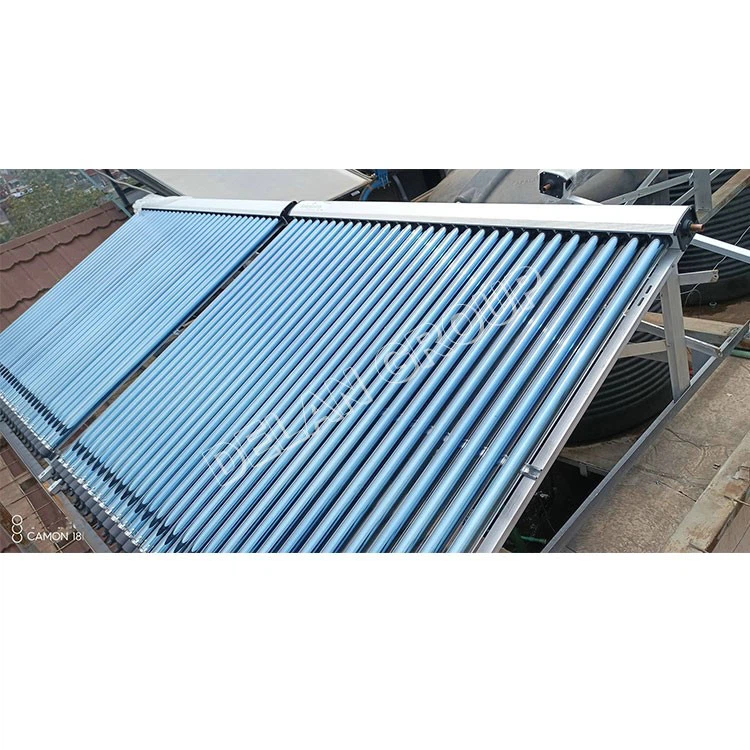
There are different types of solar collectors, and each type has its own characteristics when it comes to size and performance. For example, Heat Pipe Solar Collector are known for their high efficiency. They use heat pipes to transfer heat from the collector to the water tank, which can be very effective even in cold weather.
Heat Pipe Solar Water Heating System are another option. These systems are designed to be more compact and efficient, making them a good choice for smaller spaces. They can also be more expensive than traditional collectors, but they offer better performance in certain conditions.
Heat Pipe Solar Thermal Systems are a bit different. They use a combination of heat pipes and other technologies to maximize the efficiency of the solar collector. These systems can be very effective, but they also require more maintenance and can be more complex to install.

Finding the Right Size for You
So, how do you find the right size of the solar collector for your compact solar water heater? It really depends on your specific needs and circumstances. Here are some steps you can take:
- Assess your hot water demand: Think about how much hot water you use on a daily basis. Consider factors like the number of people in your household, your water usage habits, and any special requirements you might have.
- Evaluate your available space: Measure the area where you plan to install the solar collector. Make sure you have enough space for the collector and that the location is suitable for installation.
- Consider your budget: Determine how much you're willing to spend on the solar collector. Remember to factor in the long-term savings when making your decision.
- Consult with a professional: If you're not sure which size of the collector is right for you, it's a good idea to consult with a professional solar installer. They can assess your situation and recommend the best collector size for your needs.
Conclusion
In conclusion, the size of the solar collector has a significant impact on the performance of a compact solar water heater. A larger collector can absorb more sunlight and heat up the water faster, but it also requires more space and can be more expensive. On the other hand, a smaller collector might be more suitable for smaller spaces and tighter budgets, but it might not be able to meet your hot water needs as effectively.
If you're interested in purchasing a compact solar water heater and want to learn more about the best collector size for your situation, feel free to reach out to us. We're here to help you find the perfect solution for your hot water needs.
References
- "Solar Water Heating Systems: Design and Installation" by John Doe
- "The Handbook of Solar Energy" by Jane Smith
- Various industry reports and studies on solar water heating technology.


