

Hey there! I'm a supplier of 1000L solar water heaters, and I know these things inside out. While solar water heaters are generally awesome, it's important to be real about their drawbacks. So, let's dive into the disadvantages of a 1000L solar water heater.

High Initial Cost
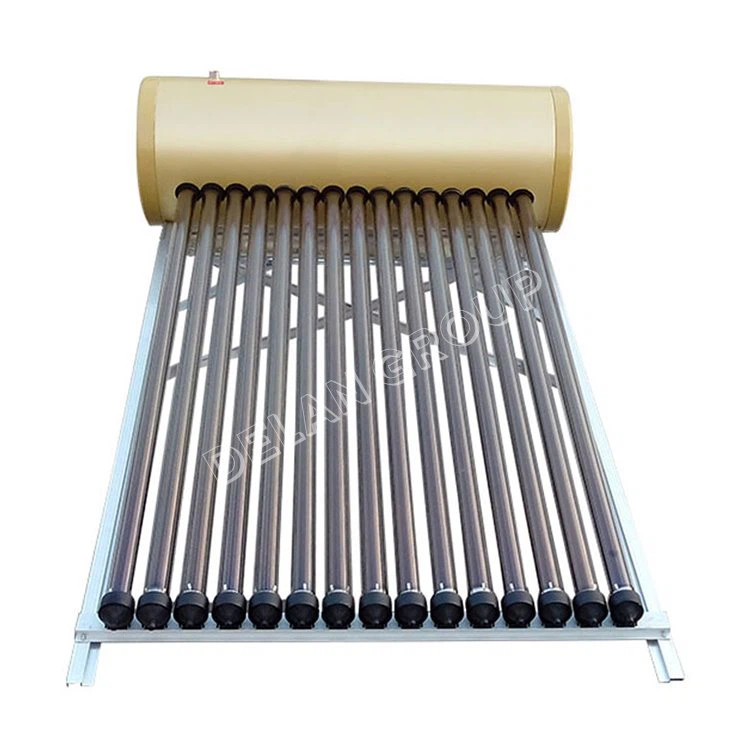
First off, the upfront cost of a 1000L solar water heater can be a real deal - breaker for a lot of people. These big - sized heaters are more expensive than smaller ones. You're not just paying for the large tank, but also for the high - capacity solar collectors needed to heat all that water. The integrated parts, like the control systems and insulation, are designed for this large volume, which adds to the cost. And if you want a high - end model, say an Integrated Pressurized Solar Water Heater, you're looking at a significant investment. This high initial cost can make it difficult for some homeowners or small businesses on a tight budget to take the plunge.
Space Requirements
A 1000L solar water heater is huge! It needs a substantial amount of space for installation. You need a large area on your roof for the solar collectors. And then, there has to be enough room inside your building to place the 1000L storage tank. This can be a major problem, especially in urban areas where space is at a premium. If you live in an apartment building or a small house, finding a suitable spot for this large - scale setup can be next to impossible. Even in commercial buildings, rearranging space to accommodate the heater might involve additional construction work, which also adds to the overall cost.
Weather Dependence
Solar water heaters rely on sunlight to heat the water. A 1000L solar water heater is no exception. In regions with long periods of cloudy weather, rainy seasons, or short daylight hours, it can struggle to heat the water to the desired temperature. On overcast days, the solar collectors may not receive enough sunlight to heat the large volume of water in the tank. This means you might have to rely on backup heating systems, like electric or gas heaters, to get hot water. And using these backup systems not only defeats the purpose of having a solar water heater in terms of cost - savings but also increases your energy consumption and carbon footprint.
Maintenance Challenges
Maintaining a 1000L solar water heater is no walk in the park. The large tank and complex system require regular upkeep. The solar collectors need to be cleaned regularly to ensure maximum sunlight absorption. Over time, the pipes and valves in the system can develop leaks, and the insulation of the tank may degrade. Since it's a large - scale system, fixing any issues can be complicated and expensive. You may need to hire professional technicians, which adds to the long - term cost of owning the heater. For example, if there's a problem with the heat transfer mechanism in a Heat Pipe Solar Water Heater, it can be a real headache to diagnose and repair.
Slow Recovery Time
When you use a large amount of hot water from a 1000L solar water heater, it takes a long time to heat up the water again. The solar collectors have to work hard to heat such a large volume of water. This slow recovery time can be a problem, especially in households or businesses with high hot - water demands. For instance, in a hotel or a large - family home, if everyone wants to take a hot shower one after another, the second or third person may end up with lukewarm water because the heater hasn't had enough time to re - heat the water in the tank.
Water Quality Issues
The large volume of water stored in a 1000L tank can lead to water quality problems. Stagnant water can become a breeding ground for bacteria and other microorganisms. If the water isn't circulated or heated properly, it can develop an unpleasant odor and taste. Also, sediment can accumulate at the bottom of the tank over time, which can affect the performance of the heater and the quality of the hot water. Regular flushing of the tank is required to prevent these issues, but this is an additional maintenance task that many users may overlook.
Compatibility with Existing Systems
Integrating a 1000L solar water heater with an existing plumbing system can be tricky. The high - volume output of the heater may not be compatible with the pipes and fixtures in older buildings. You may need to upgrade your plumbing system to handle the large flow of hot water, which is another expense. Also, if you already have a traditional water heater, combining the two systems can be complex and may require professional installation.
Insurance and Permits
In some areas, installing a 1000L solar water heater may require special permits. The local authorities may have regulations regarding the size and installation of such large - scale systems. Obtaining these permits can be a time - consuming and bureaucratic process. Additionally, your insurance company may view a large - capacity solar water heater as a higher - risk item. This could result in higher insurance premiums, adding to the overall cost of ownership.
Despite these disadvantages, a 1000L solar water heater still has its perks. It can provide a large amount of hot water for extended periods, and in the long run, it can save you money on energy bills. If you're considering purchasing a 1000L solar water heater, it's important to weigh these drawbacks against the benefits.
If you're interested in learning more about our Pressurized Solar Water Heaters or have any questions about how to make the most of a 1000L solar water heater, feel free to reach out. We're here to help you make an informed decision and find the best solution for your hot - water needs.
References
- Smith, J. (2020). Solar Water Heating Systems: A Comprehensive Guide. Energy Publications.
- Johnson, R. (2019). The Pros and Cons of Large - Capacity Solar Water Heaters. Renewable Energy Journal.


